Protecting Upemba: Conservation Efforts Endure After Tragic Losses
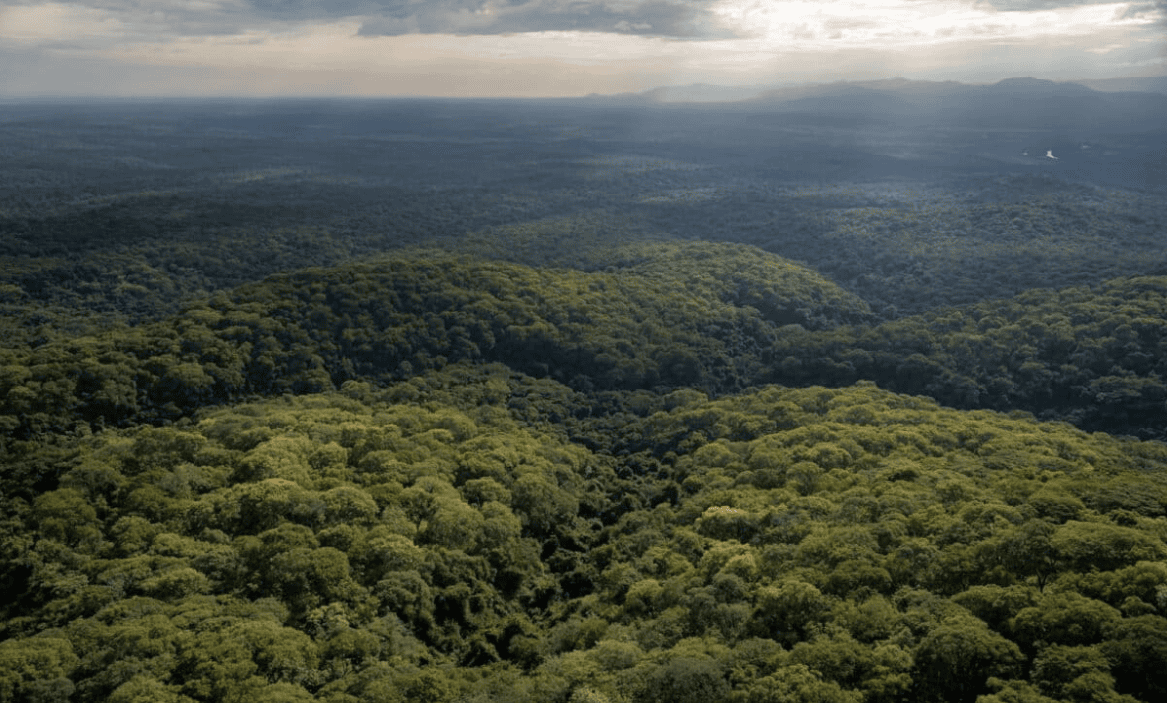
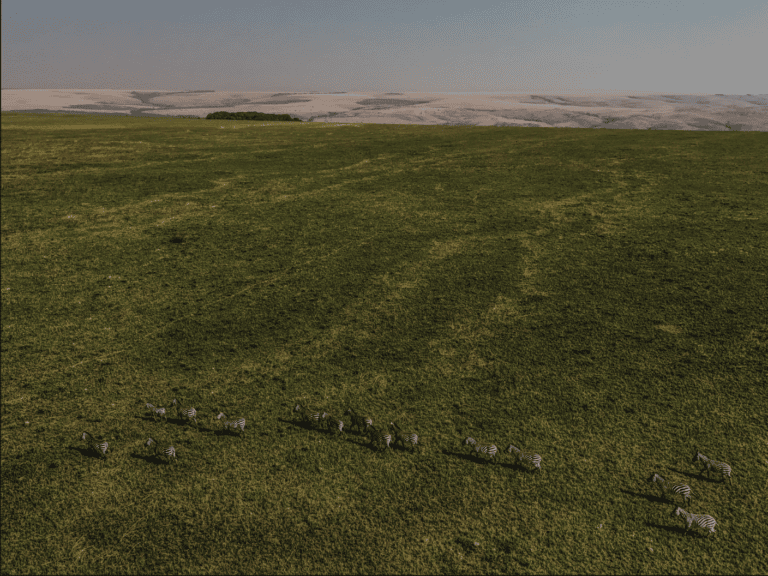
Upemba National Park. 📸 Justin Sullivan for Forgotten Parks
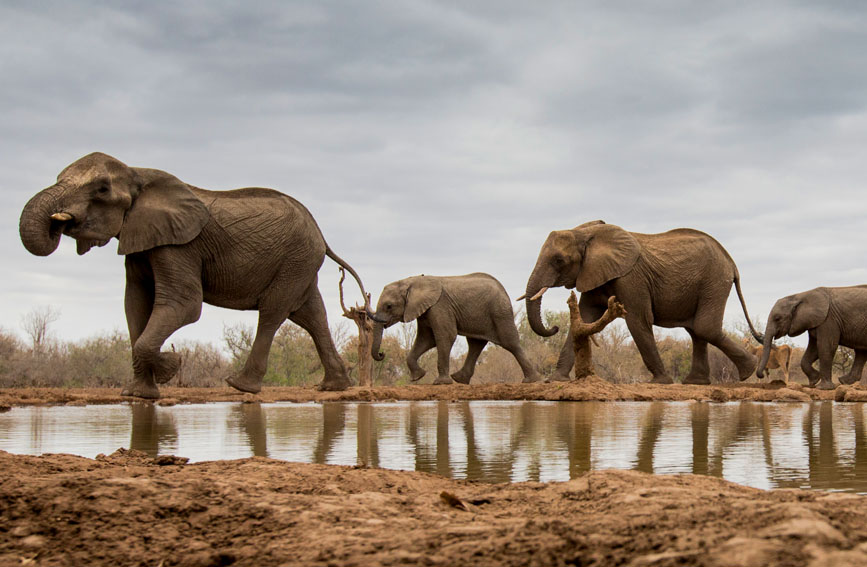
Upemba National Park lies in the remote southeast of the Democratic Republic of the Congo (DRC). It is home to the country’s last herd of zebra, as well as roan antelopes, elands, hartebeests, greater kudus, buffalo, and the only elephants in southern DRC. The park’s landscapes range from grasslands to tropical rainforests, marshes, and wetlands, representing one of the region’s most diverse ecosystems.
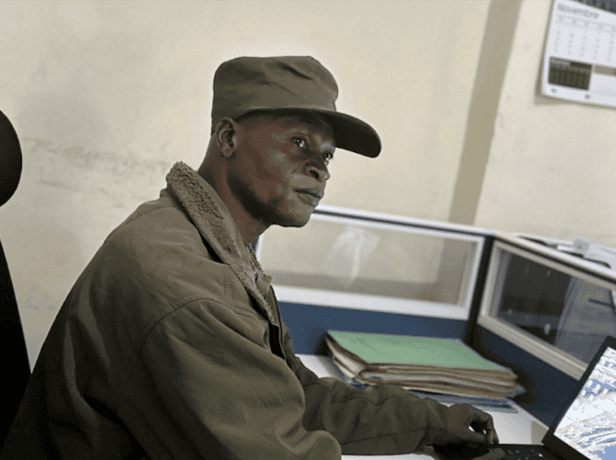
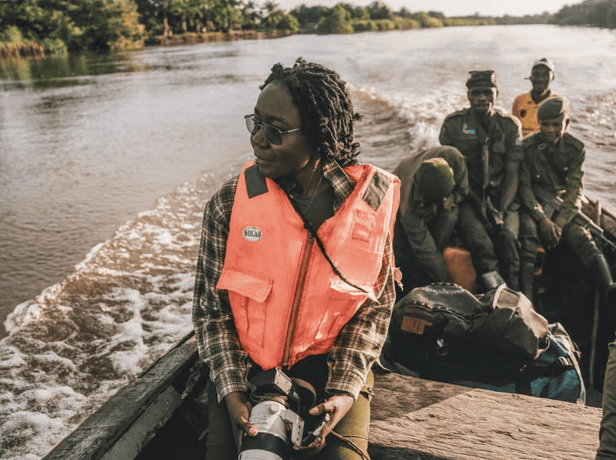
By 2017, however, Upemba was a “national park in name only”. Years of neglect, lack of funding, and lawlessness had allowed poachers, farmers, miners, and armed groups to overrun it, leaving its wildlife in serious decline. In that year, the Forgotten Parks Foundation entered into a 15-year partnership with the DRC government to manage and rehabilitate the park. Under this agreement, park director Christine Lain works closely with the state conservation authority, ICCN, which employs the rangers and other staff. Lain emphasises collaboration as central to their model: the park is managed “as one team” across institutions and nationalities. A key focus has been community participation, which she regards as essential for sustainable conservation.
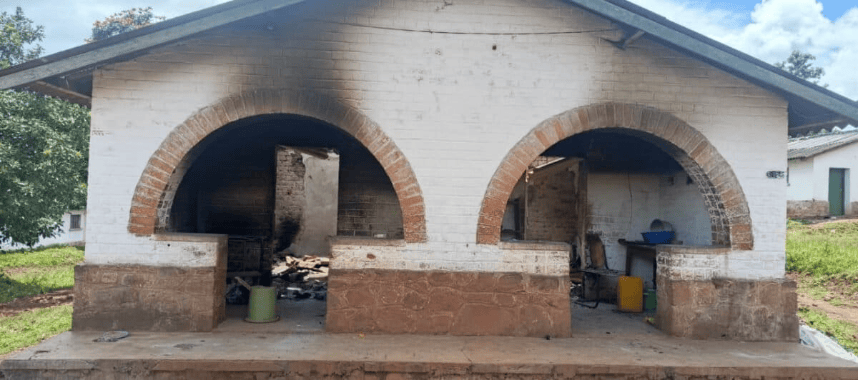
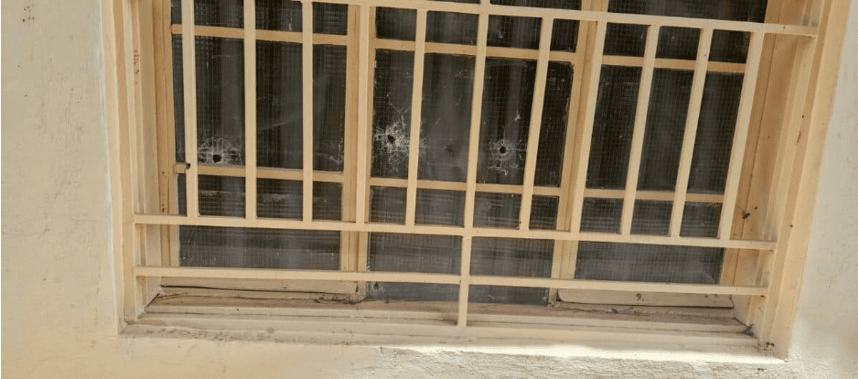
Upemba has long faced threats from rebel militias and others who exploit its isolation to shelter, poach wildlife, and mine illegally. The danger turned deadly on 3 March 2026, when about 80 armed rebels ambushed park headquarters at dawn. A dozen rangers, preparing for their anti-poaching patrol, were suddenly attacked by machine-gun fire. Despite desperately trying to defend themselves, the outnumbered rangers were overwhelmed. In a violent assault lasting just half an hour, the rebels looted weapons, torched property, and hunted staff members on a “kill list.”
Seven people were killed, including three rangers, a veterinarian, and several young conservation workers. According to the Game Rangers Association of Africa’s CEO, Louise de Bruin, the massacre was the worst attack on African park staff since 17 people were ambushed and killed in Virunga National Park in 2020.
Christine herself had to hide with a wounded colleague in the roof cavity while the attack took place. As the survivors began to think the worst was over, the rebel militia returned eight hours later to further loot the compound. Christine Lain and other survivors ran across a muddy field toward a tree line while under fire. They travelled throughout the night, reaching the safety of a village the following morning.
Just some of the damage to buildings at Upemba National Park Headquarters. Forgotten Parks.
Chrstine spoke movingly of her fallen colleagues as “incredible individuals who loved their work.” Despite the trauma, she stressed that the team’s resolve remained unbroken: “This will not stop us.”
In the aftermath, Louise de Bruin coordinated counselling for Upemba’s approximately 100 staff. Thin Green Line stepped in immediately, working directly with Christine Lain to provide financial support to the families of the seven victims and relief funds for rangers whose homes had been looted or damaged. Christine expressed deep gratitude: “We are immensely grateful to Thin Green Line for this support…thank you again for your support and kindness.”
Thin Green Line’s primary mission is grounded in one stark fact: around three rangers die every week worldwide while protecting wildlife and wild places. Many are killed by rebel militias or poachers; others die in accidents or during human–animal conflicts. For their families, the loss is not only emotional but also financial. Without support, widows are often forced to withdraw children from school to survive. Thin Green Line’s Fallen Ranger Fund ensures these children can stay in education, offering both stability and hope for the future.
Through tragedy and resilience, the story of Upemba National Park reflects the high human cost of conservation in conflict zones, and the steadfast determination of those who risk their lives to protect the natural world.
Sources: Mongabay, The Guardian.